
As we were doing a bit of a sweep through our belongings in storage about a year ago, I came across a heap of old photography kit. Amongst the cameras, projectors, and other accessories there was some old film. At least four rolls of it.
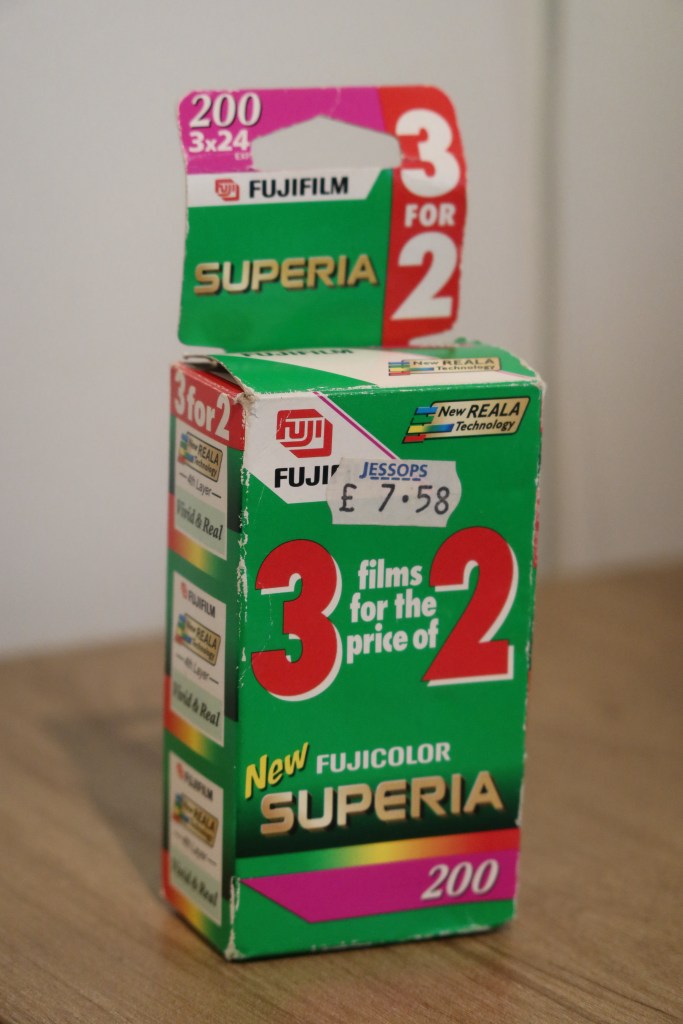
I’m not sure what I was more intrigued by, whether the old film would be any good or the price that I paid for it way back when. All of the film had an expiry date of sometime in 2002. So basically 20 years old. In addition to that, it had spent the past five years in up to 40C (during the Summer) so wasn’t exactly looked after.
The first thing I did was to consult the Interwebs and read a few articles like this one – The complete guide to shooting expired film. Apart from noting all of the things that could go wrong, the key piece of information is around what adjustments need to be made, and there is really only one that needs to be done at exposure time. Basically, what most guides talked about is to set the film speed one stop slower per decade over the expired date, when setting the film speed on the camera. So for the Fujicolor Superia 200 that I had, twenty years pest its expiry date, I set the camera ISO to 50. That seemed quite straight forward.
I loaded a roll into the Canon A-1 and set the ASA to 50 (yes, the camera is that old but ISO and ASA numbers are interchangeable). As I started to take some photos I realised just how slow ISO 50 is. I mean, really slow. Even with an f1.8 lens I had to keep an eye on the shutter speed if I wasn’t shooting outside during the day. I have no idea how my Dad used to use Kodakchrome 64! Now, I’d like to skip over the part where I loaded the film and shot loads of photos only to realise that it hadn’t engaged properly in the take-up spool. However, lesson I learned from this, and I will share with you now, is that it doesn’t pay to be tight with film and try and get as may frames as possible onto the roll. It’s better to wind on with the back open and visually confirm that the film has been taken up. The other thing that I realised is that on the A-1 the winder knob set into the ASA ring should rotate as the film is advanced. Something to keep an eye on for the first frame or two. Anyway, enough about that. The film was reloaded, properly this time, and I took some more photos.

Now might be a good time to mention the risks of using old film. Whilst the adjustments to exposure are straight forward, to me there are only really two risks. Loss of memories and loss of money. If the film wasn’t useable then the photos taken are lost, and the money spent on developing them is wasted. So, don’t use old film for important photography and don’t be surprised if the money spent on development is wasted. It does add a frisson of excitement to the whole thing though.
Anyway, I digressed there for a moment… I did have the film developed. Obviously as with loading the film for the first time in a couple of decades, taking a film in for development was also something I’d not done in a while. The difference is that there is now an option to have the developed negatives scanned and shared instantly on a cloud service, and by not having the photos printed there is a cost saving. Winner winner. However, at A$25+ to develop and scan the 24 exposures it’s also a lot more expensive that I remember.

I was sent an email with a link to a Dropbox folder and I downloaded my TIFF files straight away. It should have been the same day I dropped off the film but it turns out the machine was broken so they had to send the film interstate to get it developed.
What I got back had quite a distinctive look, and not to bad I reckon. Colours were a bit washed out but the photos had a… look about them. I like. What I don’t know is whether there was any compensation applied when the photos were scanned in, but as I had to collect the negatives within two weeks and I now have them I should really look closer to answer that question.
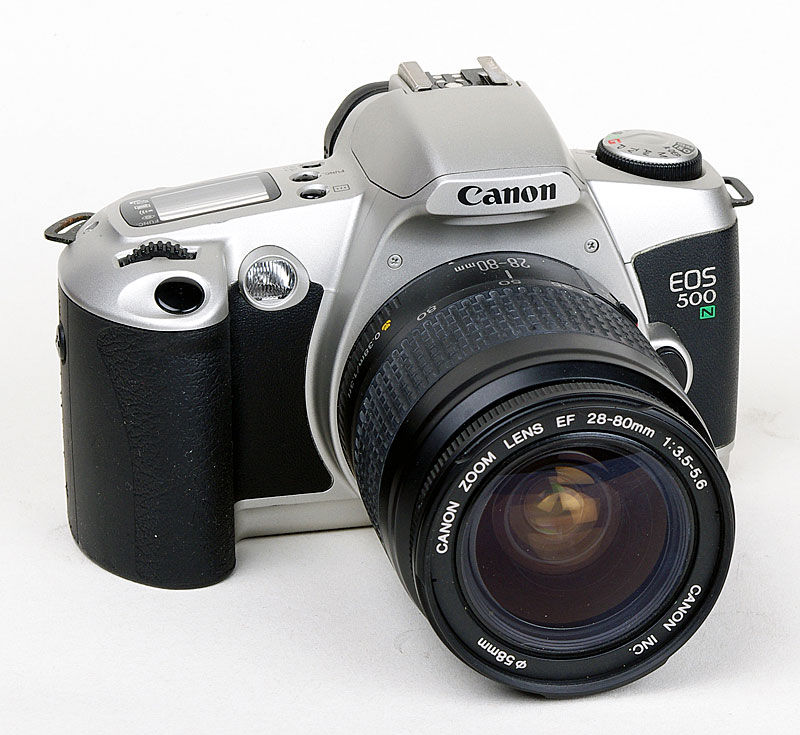
The second roll of film is now in the Canon EOS 500N and I’ve not slowed it down quite as much. This time I’ve gone for ISO 80. The film has been sitting in the camera for a while now so I need to get a wriggle on and finish it off to see what the photo look like.

In summary, the twenty year old film that I found in the shed still works… sort of. I will probably use it all up over the next few months and suck up the development costs just because I can.
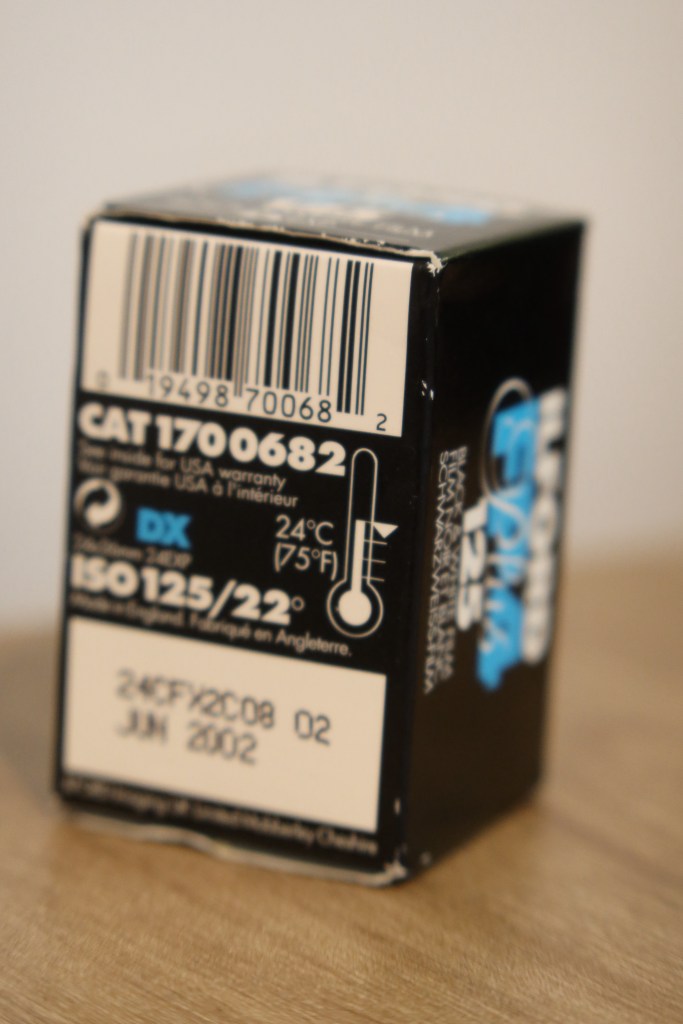
There is also a black and white roll that I need to use. I can guess how the remaining two rolls of Fujicolor will turn out, but the roll of Ilford is an adventure yet to be lived.

 Vivi Somnium